
5 Signs It’s Time to Replace Your Tile Floors
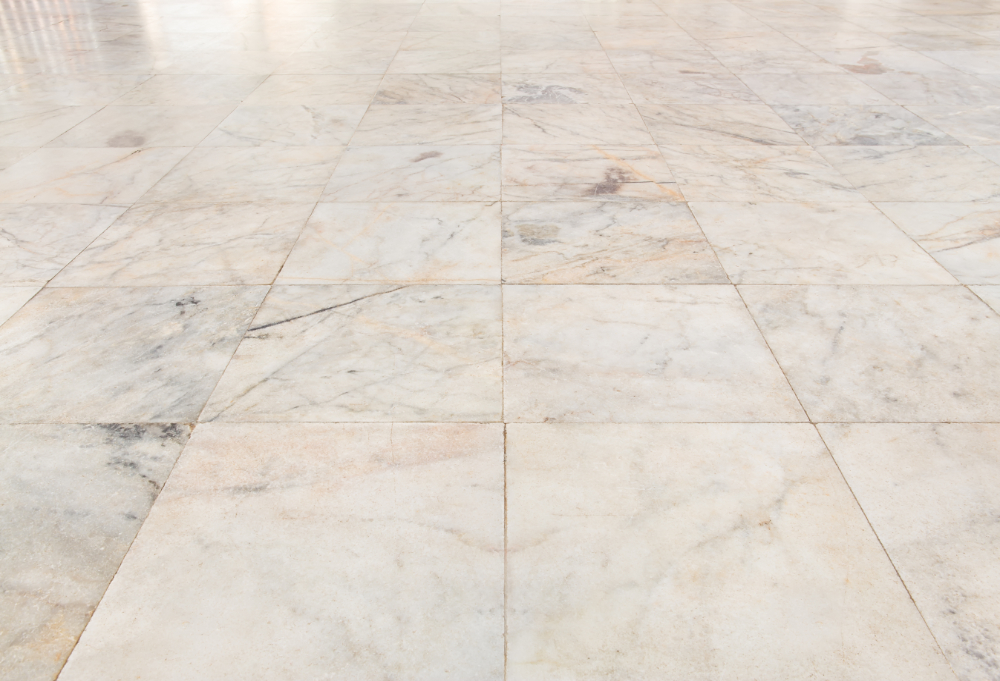
Whether you are dealing with a cracked entryway, a bathroom that feels perpetually grimy, or grout lines that no longer match the rest of your home, knowing when to replace tile flooring can save you time, money, and a lot of frustration. For homeowners in Mesa, AZ, where the desert heat and dry climate can accelerate wear and tear, catching these warning signs early is especially important. Here are five clear signs that your tile floors are past the point of repair and ready for a full tile flooring replacement.
1. Cracks and Chips That Keep Coming Back
A single cracked tile is not always cause for alarm. Accidents happen, and a straightforward tile floor repair can usually take care of an isolated chip or fracture. The real problem starts when cracks keep appearing across multiple tiles, or when a repaired tile cracks again shortly after being fixed. This kind of recurring damage is often a symptom of a deeper structural issue beneath the surface.
When the subfloor beneath your tile shifts, settles, or develops moisture damage, it causes the tiles above it to flex and break under normal foot traffic. No amount of patching will solve the problem long-term if the foundation itself is compromised. In Mesa, AZ, soil movement due to dry conditions and temperature swings is a known contributor to subfloor instability, which means tile cracking is a more common complaint here than in many other parts of the country.
If you are replacing individual tiles more than two or three times in the same area, or if you notice a pattern of cracking spreading across a room, it is time to stop patching and start planning for a full replacement. Trying to replace tile flooring piecemeal when the damage is widespread will only cost you more in the long run.
2. Hollow Sounds and Loose Tiles Underfoot
Walk slowly across your tile floor and tap on the surface with your knuckles or the heel of your shoe. If you hear a hollow, drum-like sound in certain spots, that is a sign that the tile has separated from the adhesive layer beneath it. Properly bonded tile should sound solid and consistent when tapped. A hollow sound means the bond has failed.
Loose or hollow tiles are not just an aesthetic problem. They are a safety hazard. A tile that has fully separated from the subfloor can crack or shift under pressure, creating a tripping risk. Grout around loose tiles also tends to crack and crumble, allowing moisture to seep underneath and cause further damage to the subfloor and surrounding tiles.
In older homes throughout Mesa, AZ, this type of bond failure is common, especially in bathrooms and kitchens where moisture exposure is frequent. While a few isolated hollow tiles can sometimes be re-adhered, widespread bond failure across a floor is a strong indicator that it is time to replace tile flooring entirely rather than continuing with surface-level fixes.
3. Stained, Crumbling, or Discolored Grout
Grout is the unsung hero of any tiled surface. It holds everything together, prevents moisture from slipping beneath the tiles, and contributes significantly to the overall appearance of your floor. But grout does not last forever. Over time, it can become stained, discolored, cracked, or even crumble away entirely.
Some grout stains can be addressed with deep cleaning or regrouting. However, when grout is crumbling in multiple areas, when it has turned a permanently dark or uneven color despite regular cleaning, or when water is visibly seeping under the tile at the grout lines, simple tile floor repair is no longer enough.
Damaged grout creates an open pathway for water to penetrate your subfloor. In a place like Mesa, AZ, where monsoon season can bring sudden, heavy moisture after months of dry heat, this kind of vulnerability in your flooring can lead to mold growth, wood rot, and structural damage. If your grout is failing across a large portion of your floor and regrouting has not solved the problem, replacing the floor entirely is the more cost-effective and durable solution.
4. The Style No Longer Fits Your Home
Not every reason to replace tile flooring is a structural one. Sometimes the tiles simply no longer match your home’s aesthetic, and that is a perfectly valid reason to consider an upgrade. Interior design trends shift over time, and the tile that looked fresh and modern ten or fifteen years ago may now make your home feel dated.
This is especially relevant for homeowners in Mesa who are preparing to sell their property. Outdated tile, particularly in high-visibility areas like the kitchen, entryway, or master bathroom, can affect a buyer’s first impression and even the appraised value of your home. Replacing old, worn, or visually mismatched tile with a clean, contemporary option is one of the most reliable ways to refresh the look of a room without a full renovation.
Beyond resale value, living in a home that you genuinely enjoy matters. If you cringe every time you walk into your kitchen because of the tile, it may be time to invest in something that better reflects your current style. The cost of replacing tile flooring has become more accessible in recent years, and the variety of materials and designs available in Mesa, AZ has never been wider.
5. Water Damage, Warping, or Soft Spots in the Floor
Water is one of the most destructive forces a tile floor can face. While ceramic and porcelain tiles themselves are water-resistant, the grout, adhesive, and subfloor beneath them are not. When water consistently penetrates the surface layer, it can cause the subfloor to warp, rot, or develop soft spots that are easy to feel underfoot.
If you notice any areas of your floor that feel spongy or slightly sunken when you walk across them, that is a serious warning sign. Soft spots indicate that the subfloor has been compromised by moisture. In some cases, you may also notice tiles that have shifted slightly, creating uneven surfaces or raised edges that catch the toe of your shoe as you walk.
This kind of water damage is particularly common in bathrooms, laundry rooms, and kitchens, where plumbing leaks or poor ventilation allow moisture to accumulate over time. In Mesa, AZ, where many homes have aging plumbing infrastructure, undetected leaks are a frequent culprit behind subfloor damage. A professional tile floor repair contractor can assess the extent of the moisture intrusion, but in many cases, the subfloor and the tile above it will both need to be replaced to properly address the problem.
Ignoring water damage does not make it go away. It makes it worse. Acting quickly when you notice these signs can prevent a flooring issue from turning into a much larger and more expensive structural repair.
Conclusion
Your tile floors work hard every day, and like any surface in your home, they have a lifespan. Recognizing the signs of serious wear, whether it is persistent cracking, hollow tiles, failing grout, outdated style, or moisture damage, is the first step toward making a smart investment in your home. For homeowners looking to replace tile flooring in Mesa, AZ, consulting with a local flooring professional can help you understand your options and get accurate estimates for your specific space. The sooner you address the problem, the more you protect the long-term value and comfort of your home.
Need Natural Countertops and Flooring Near You?
With over ten years of experience, we take pride in fabricating and installing high quality granite countertops for custom homes, remodels, and commercial spaces, combining competitive pricing with skilled craftsmanship and advanced techniques to bring your vision to life. Whether you are updating a kitchen, enhancing a bathroom, or planning a large scale project, we offer beautiful and durable options in marble, quartz, and granite that add lasting value and style. Our team is committed to delivering results that reflect both precision and care, ensuring every detail meets your expectations. Contact us today to discuss your project and see how we can create the perfect countertop solution for your space.