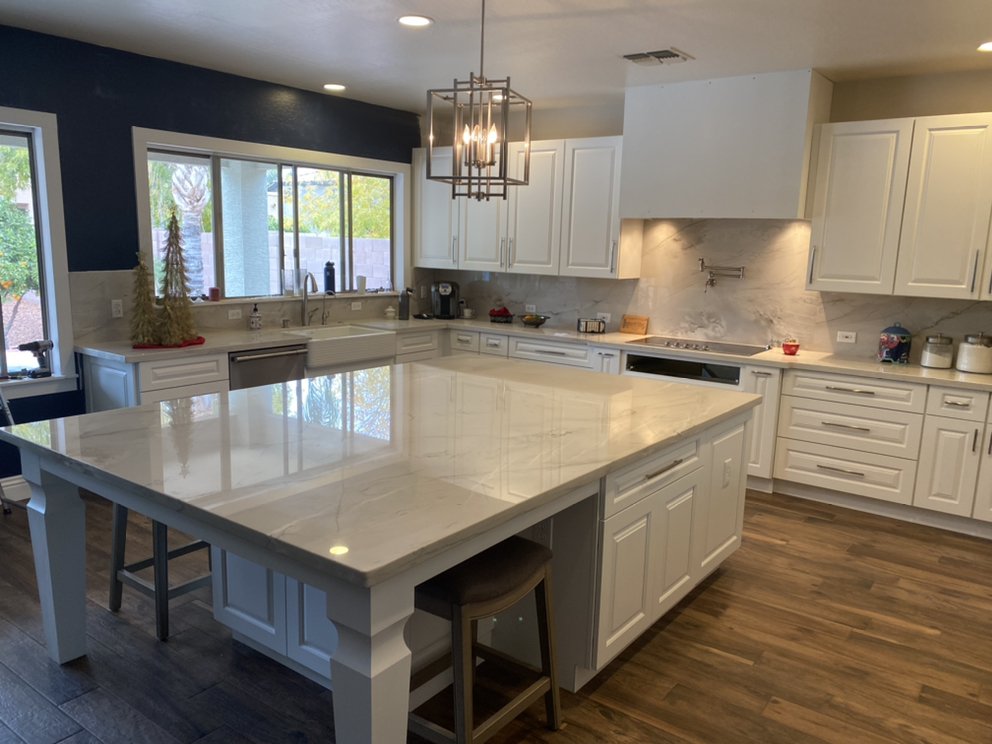
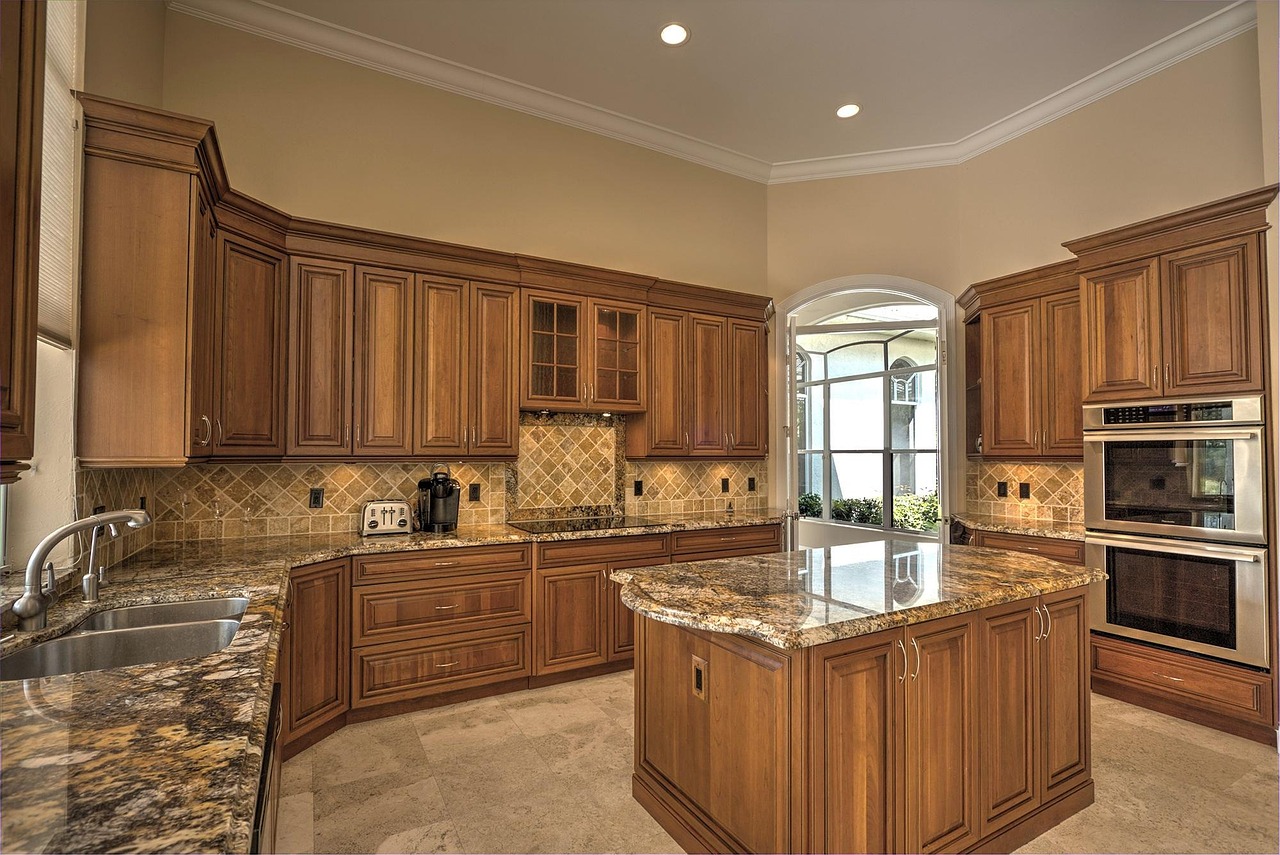
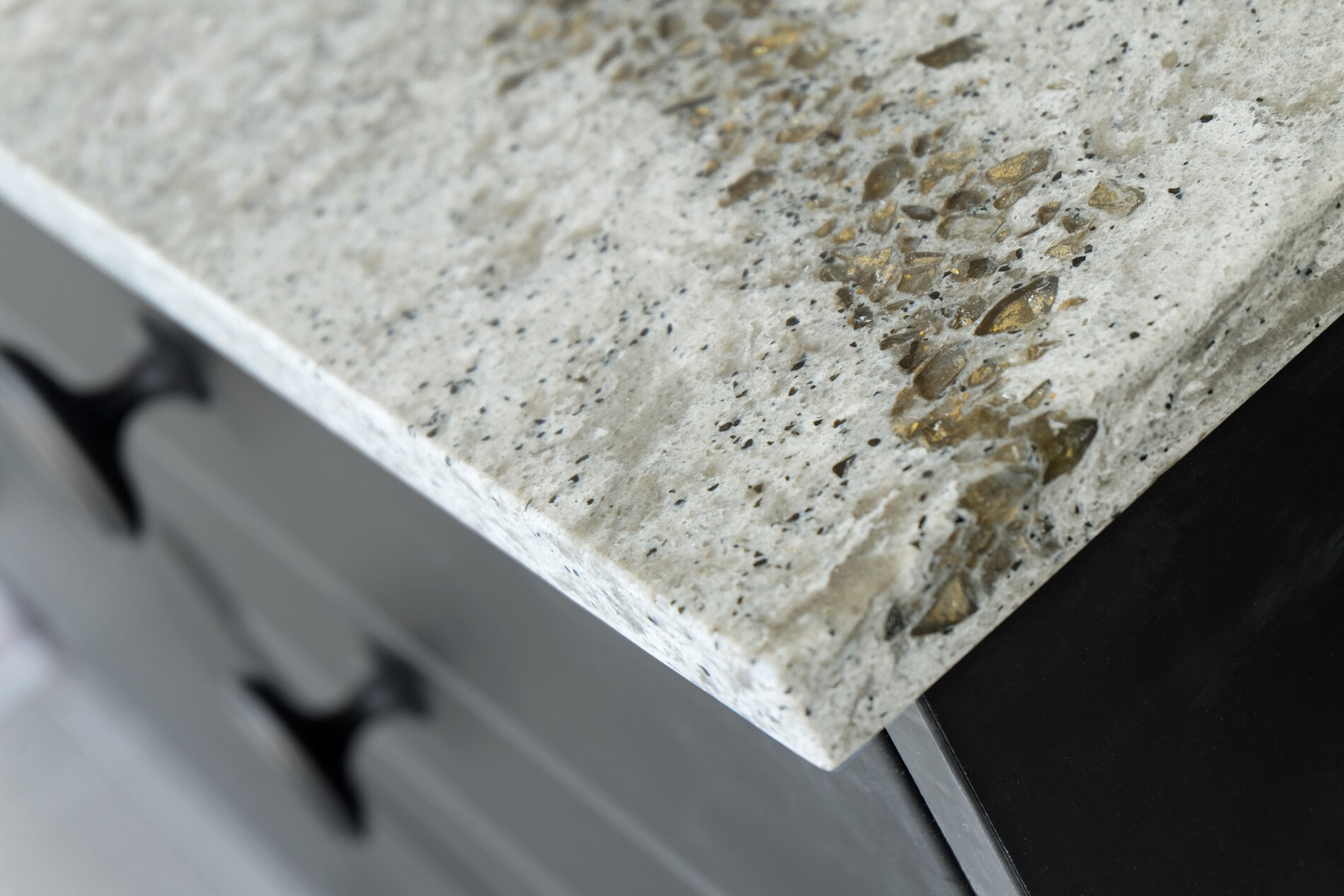
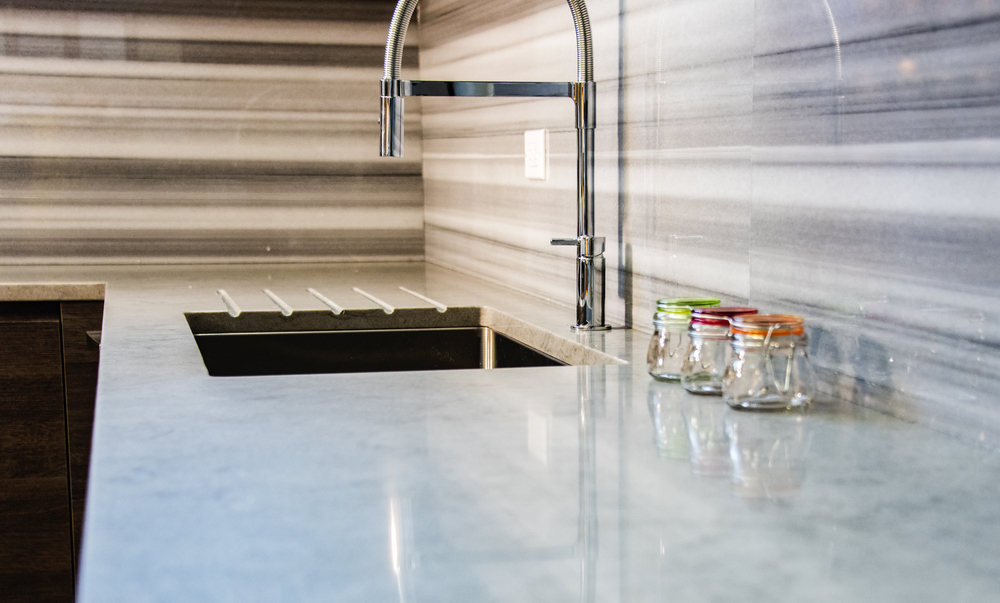
Choosing the right countertop is about more than appearance. In Tempe, homeowners also need to think about intense summer heat, dry air, dust, and everyday wear. A beautiful countertop that requires constant sealing or special care may not fit every lifestyle.
If you want a surface that stays attractive with minimal upkeep, understanding how different stone materials perform in the Sonoran Desert can help you make a smart long-term investment.
Quick Answer
Quartz countertops generally require the least maintenance because they never need sealing and resist staining under normal household use. Granite is another low-maintenance choice when sealed properly every few years, while quartzite, marble, and soapstone require more ongoing care. For homeowners in Tempe looking for the easiest long-term option, quartz is usually the clear winner.
What Local Homeowners Should Know
Quartz does not require sealing, making it one of the easiest countertop materials to maintain.
Granite performs well in Arizona homes but benefits from periodic resealing.
Marble offers timeless beauty but is more susceptible to stains and etching from acidic foods.
Dust and hard water common throughout the Valley can affect countertop appearance if surfaces are not cleaned regularly.
Many homes in Tempe, Mesa, Chandler, Scottsdale, and Gilbert experience heavy daily kitchen use, making low-maintenance materials especially appealing.
Why Low-Maintenance Countertops Matter in Tempe
Low-maintenance stone countertops are especially valuable in Tempe because the local climate presents unique challenges. Summer temperatures regularly climb above 100 degrees, while blowing desert dust can settle on every surface inside the home. Hard water throughout the Phoenix metro area also leaves mineral deposits around sinks if not cleaned promptly.
Busy households often prefer countertop materials that stay beautiful without frequent sealing or specialty products. Whether you own a newer home near Arizona State University or a remodeled ranch in South Tempe, selecting the right material can reduce maintenance while protecting your investment.
At VM Stoneworks, we help homeowners compare natural and engineered stone options based on appearance, durability, maintenance requirements, and everyday lifestyle needs. From that point forward, we focus on helping you select a surface that fits how you actually live.
How Different Stone Countertops Compare
The amount of maintenance required varies significantly depending on the material.
Quartz
Quartz is one of the easiest countertop materials to maintain.
Because it is engineered using natural quartz combined with resins, the surface is nonporous. That means it resists stains without needing periodic sealing.
Routine care includes:
Wiping with mild soap and water
Cleaning spills promptly
Using cutting boards to avoid scratches
Avoiding excessive direct heat from hot cookware
For most families, quartz requires the least attention while maintaining a consistent appearance for years.
Granite
Granite is a durable natural stone that requires relatively little maintenance.
Although granite is naturally resistant to heat and scratches, it contains microscopic pores that should be sealed periodically.
Maintenance typically includes:
Daily cleaning with pH-neutral cleaner
Resealing every few years depending on use
Wiping spills before they penetrate the surface
Many homeowners find granite offers an excellent balance between natural beauty and manageable maintenance.
Quartzite
Quartzite is stronger than many natural stones but requires more maintenance than quartz.
Its natural porosity means periodic sealing helps prevent staining.
Quartzite offers:
Excellent scratch resistance
High heat resistance
Natural stone character
Moderate maintenance requirements
For homeowners who love natural stone but want exceptional durability, quartzite remains a popular choice.
Marble
Marble requires the most maintenance among popular countertop materials.
While its elegant veining is difficult to match, marble is vulnerable to:
Acid etching
Food stains
Scratches
Water spots
Homeowners who enjoy marble typically accept that regular sealing and careful cleaning are part of owning this classic material.
Soapstone
Soapstone develops a unique character over time.
Rather than sealing, many owners apply mineral oil periodically to enhance color consistency.
Soapstone is naturally resistant to bacteria and heat but can develop small scratches that contribute to its lived-in appearance.
Professional Field Observations
Based on our experience working with homeowners throughout the East Valley, many clients initially choose countertops based solely on appearance. After discussing maintenance expectations, however, they often prioritize materials that fit their lifestyle.
Families with children, busy professionals, and homeowners who cook frequently often appreciate the simplicity of quartz. Those seeking the distinctive look of natural stone frequently choose granite or quartzite while accepting occasional resealing as part of routine home maintenance.
How Maintenance Impacts Everyday Living
Countertop maintenance affects more than cleaning routines.
Choosing a lower-maintenance material can help reduce:
Time spent cleaning
Risk of permanent stains
Long-term maintenance costs
Stress over accidental spills
Frequent resealing appointments
For many homeowners, those practical benefits become just as important as the countertop’s appearance.
Warning Signs Your Countertops Need Attention
Several signs indicate your stone surfaces may require maintenance.
Watch for:
Water no longer beads on sealed stone
Dark spots that remain after cleaning
Dull or cloudy areas
Permanent staining
Mineral buildup around sinks
Rough or chalky surface texture
Visible etching on polished stone
Addressing these issues early often helps preserve the countertop’s finish.
When Professional Care Makes Sense
Minor cleaning is appropriate for most homeowners.
Professional attention may be worthwhile when you notice:
Deep stains that household cleaners cannot remove
Large etched areas
Damaged sealant
Surface chips
Cracks requiring repair
Complete refinishing needs
Professionals can also evaluate whether resealing is necessary instead of relying solely on a calendar schedule.
Common Factors That Affect Countertops in the Phoenix Area
Several local conditions influence countertop longevity.
Hard Water
Mineral deposits around faucets and sinks can dull polished finishes if allowed to accumulate.
Desert Dust
Fine dust particles settle on countertops regularly, making routine wiping beneficial for preserving shine.
Heavy Sunlight
Large windows common throughout Arizona homes may expose countertops to significant UV light. While many natural stones tolerate sunlight well, some engineered materials may perform differently depending on manufacturer recommendations.
Busy Kitchens
Frequent cooking, entertaining, and everyday family use naturally increase wear regardless of material.
Maintenance Tips for Long-Term Performance
Simple habits help countertops remain attractive for years.
Best practices include:
Clean with soft cloths instead of abrasive pads.
Wipe spills promptly.
Use trivets for hot cookware.
Use cutting boards during food preparation.
Avoid harsh chemical cleaners unless recommended for your specific stone.
Schedule professional resealing when appropriate for natural stone.
These small habits often prevent larger maintenance issues later.
What Results Can Homeowners Expect?
Choosing the right countertop material can significantly reduce ongoing maintenance.
Quartz typically delivers the simplest ownership experience with little beyond routine cleaning.
Granite and quartzite reward periodic maintenance with decades of attractive performance.
Marble offers unmatched elegance but asks for more attention throughout its lifespan.
Selecting the material that matches your expectations often leads to greater long-term satisfaction.
Common Mistakes to Avoid
Mistake: Assuming all stone countertops require the same care. Consequence: Using improper cleaning methods or skipping necessary maintenance. Better approach: Learn the specific care requirements for your chosen material.
Mistake: Waiting until stains appear before resealing natural stone. Consequence: Permanent discoloration may become more difficult to remove. Better approach: Periodically inspect sealed surfaces and reseal when needed.
Mistake: Using harsh household cleaners. Consequence: Damage to protective finishes or polished surfaces. Better approach: Use cleaners designed for stone or mild soap and water.
Common Local Scenario
A homeowner remodeling an older kitchen in Tempe wants the appearance of natural stone but also has a busy family schedule.
After comparing marble, granite, quartzite, and quartz, they discover that quartz provides the appearance they like while eliminating the need for regular sealing. For homeowners seeking both style and convenience, this balance often makes quartz the preferred option.
Related Countertop Solutions
Different homes have different priorities.
Depending on your goals, related services may include:
We proudly serve homeowners throughout Tempe, Mesa, Chandler, Gilbert, Scottsdale, and surrounding communities across Maricopa County. Whether you’re remodeling a single kitchen or updating multiple spaces, we help you compare stone options that fit your home and maintenance preferences.
The Cost of Waiting
Delaying countertop replacement or ignoring maintenance needs can lead to staining, surface damage, and more costly repairs later. Choosing the right material from the beginning helps reduce ongoing upkeep while protecting your investment.
Which countertop requires the least maintenance in Tempe?
Quartz requires the least maintenance because it does not need sealing and resists staining during normal household use. For many homeowners in Tempe, it provides the easiest combination of durability and everyday convenience.
Does granite need to be sealed in Arizona?
Yes. Granite should be sealed periodically to help protect against staining. The exact timing depends on the specific stone and how heavily the countertop is used.
Is marble a good choice for busy kitchens?
Marble can work well but requires more care than other materials. Homeowners who cook frequently should be prepared for regular maintenance and careful cleaning.
Does desert heat affect indoor countertops?
Indoor temperatures remain controlled, but sunlight through large windows can affect some countertop materials over time. Proper product selection helps ensure long-term performance in Arizona homes.
Are quartz countertops durable enough for families in Tempe?
Yes. Quartz offers excellent durability for everyday cooking, food preparation, and family activities while requiring very little maintenance.
Which stone is best if I want a natural appearance?
Granite and quartzite both provide distinctive natural patterns while offering strong durability. The best choice depends on your preferred appearance and maintenance expectations.
Closing
Selecting a countertop is about balancing appearance, durability, and long-term maintenance. Understanding how each material performs in Tempe’s climate makes it easier to choose a surface you’ll enjoy for years to come.
Find the Right Low-Maintenance Countertop for Your Home
Whether you’re remodeling your kitchen or planning a new build, we’re here to help you compare stone options that fit your lifestyle and design goals.
If you’re planning a kitchen or bathroom remodel, finding the right custom stone countertops starts with choosing a fabricator that understands both your design goals and the unique demands of the Arizona climate. Whether you’re updating a home in Arcadia, building in North Scottsdale, or renovating a property in Ahwatukee, selecting the right stone and installer can make a lasting difference.
Quick Answer
You can find custom stone countertops in Phoenix, AZ through local stone fabrication and installation companies that specialize in natural stone and engineered surfaces. The best providers offer material selection, custom fabrication, precise measurements, professional installation, and guidance on choosing the right countertop for your lifestyle, budget, and design preferences.
What Local Readers Should Know
Natural stone and engineered stone each have unique benefits depending on how you use your kitchen or bathroom.
Arizona’s dry climate and intense sunlight can influence material selection, especially for outdoor kitchens and spaces with large windows.
Visiting a local showroom allows you to see full slabs instead of relying on small samples.
Homes throughout Paradise Valley, Chandler, and Mesa often feature custom stone countertops as a long-term investment.
Professional measuring and installation help ensure a seamless fit around sinks, appliances, and custom cabinetry.
Why This Matters Locally
Finding the right countertop matters because homes throughout the Phoenix area often feature open-concept kitchens, large islands, and indoor-outdoor living spaces that place countertops at the center of everyday life. The region’s abundant sunshine, seasonal monsoon humidity, and active family lifestyles all influence which materials perform best over time.
VM Stoneworks helps homeowners throughout the area create custom stone surfaces designed to complement both modern and traditional Arizona homes. From the first consultation through final installation, we focus on craftsmanship, precision, and helping clients choose materials that fit their space and everyday needs.
Local Field Observations
Based on common remodeling projects throughout Maricopa County, homeowners frequently prioritize three factors when selecting countertops:
Durability for busy kitchens.
Low maintenance requirements.
A design that complements desert-inspired architecture and contemporary interiors.
Quartz remains a popular option because of its consistency and minimal maintenance, while natural stones like granite, quartzite, and marble continue to appeal to homeowners looking for unique patterns that cannot be duplicated.
Local Impact
Custom stone countertops affect more than appearance. They become one of the hardest-working surfaces in the home.
For local homeowners, quality countertops can improve:
Food preparation space.
Everyday durability.
Home resale appeal.
Kitchen functionality.
Bathroom aesthetics.
Long-term maintenance requirements.
Because many homes throughout the Valley feature expansive kitchens and entertaining areas, properly fabricated countertops contribute to both visual appeal and daily convenience.
Warning Signs It’s Time to Replace Your Countertops
You may benefit from new custom countertops if you notice any of the following:
Deep cracks that continue to spread.
Permanent staining that cannot be removed.
Water damage around sinks.
Loose or uneven countertop sections.
Outdated materials that no longer fit your renovation plans.
Chips along exposed edges.
Damaged seams.
Limited workspace due to poor countertop layout.
These issues often become more noticeable during full kitchen or bathroom remodels.
When to Call a Professional
Professional countertop fabrication becomes important whenever precise measurements, heavy materials, or custom layouts are involved.
While homeowners can research materials and gather inspiration themselves, fabrication requires specialized equipment for cutting sink openings, polishing edges, matching seams, and ensuring accurate installation.
Professional installation is especially valuable when working with oversized islands, waterfall edges, integrated backsplashes, or multiple slab layouts.
Common Reasons Homeowners Choose Custom Stone Countertops
The most common reasons local homeowners invest in custom countertops include:
Kitchen Remodeling
Many homeowners replace laminate or tile countertops during complete kitchen renovations to create a more modern appearance.
Bathroom Upgrades
Stone vanity tops provide durability while adding a clean, upscale look.
New Construction
Custom fabrication allows countertops to fit unique floor plans and cabinet layouts.
Improved Durability
Stone surfaces resist everyday wear better than many older countertop materials when properly selected and maintained.
Prevention and Maintenance Tips
Proper care helps maximize the life of your investment.
For natural stone:
Clean spills promptly.
Use cutting boards instead of cutting directly on the surface.
Use trivets beneath hot cookware.
Follow recommended sealing schedules when applicable.
Avoid harsh chemical cleaners.
For quartz:
Clean with mild soap and water.
Avoid excessive heat from hot pans.
Use non-abrasive cleaning products.
Wipe spills regularly.
Routine maintenance keeps countertops looking their best for years.
What Results Can You Expect?
Professionally fabricated stone countertops provide:
Precise fit around cabinets and appliances.
Smooth finished edges.
Consistent seam placement.
Improved kitchen functionality.
Long-lasting beauty.
Increased confidence in the quality of the finished remodel.
The overall result depends on the selected material, layout, craftsmanship, and proper installation.
Common Mistakes to Avoid
Choosing Based Only on Color
A beautiful slab should also fit your maintenance expectations and lifestyle.
Skipping Full Slab Viewing
Small samples rarely show the complete movement, veining, or color variation found across an entire slab.
Ignoring Edge Profiles
The countertop edge contributes significantly to the finished appearance.
Hiring Based Only on Price
Quality fabrication and installation often determine how well countertops perform over time.
Forgetting Future Needs
Think about cooking habits, entertaining, and long-term maintenance before selecting a material.
A Common Local Scenario
A homeowner renovating an older kitchen in Central Phoenix wants to replace worn laminate countertops with a larger island and durable stone surface. After exploring several options, they choose custom-fabricated quartz that complements new cabinetry while providing a low-maintenance workspace for everyday cooking and entertaining.
Projects like this demonstrate how custom fabrication allows countertops to fit each home’s unique layout instead of relying on standard sizes.
Related Service Solutions
Custom countertop projects often include services such as:
Does not require sealing but should be protected from excessive heat
Granite
Natural beauty and durability
May require periodic sealing
Quartzite
Premium natural appearance with excellent durability
Typically higher investment than granite
Marble
Elegant bathrooms and statement kitchens
Requires more maintenance and is more susceptible to etching
The right choice depends on your design preferences, maintenance expectations, and how the space is used every day.
Service Areas
We proudly serve homeowners throughout Phoenix and surrounding communities including Scottsdale, Paradise Valley, Tempe, Mesa, Chandler, Glendale, and Peoria. Our custom fabrication and installation services are designed to meet the needs of homeowners across the greater Valley.
The Cost of Waiting
Delaying countertop replacement can leave you dealing with worsening cracks, water damage, outdated layouts, or surfaces that no longer meet your family’s needs. Planning your project before additional damage develops often provides more design flexibility during a remodel.
Where can I find custom stone countertops in Phoenix, AZ?
The best place to find custom stone countertops is through a local fabricator that offers material selection, custom fabrication, and professional installation. Visiting a showroom allows you to compare full slabs and discuss your project’s specific requirements.
What countertop material is most popular in Phoenix homes?
Quartz is one of the most popular choices because it combines durability with low maintenance. Granite and quartzite also remain popular among homeowners who prefer the distinctive appearance of natural stone.
Are stone countertops a good investment for homes in Maricopa County?
Yes. Quality stone countertops are often considered a desirable feature because they improve both functionality and appearance while complementing many home styles found throughout the area.
Should I view the entire slab before purchasing?
Yes. Viewing the full slab helps you understand the natural movement, veining, and color variation that may not appear in a small sample.
How long does countertop installation usually take?
Most installations are completed after fabrication has been finished and cabinets are ready. Project timelines vary depending on material availability, project size, and fabrication complexity.
Which countertop material requires the least maintenance?
Quartz generally requires less routine maintenance because it does not typically need sealing. Natural stones may require periodic sealing depending on the material selected and how the surface is used.
Can custom countertops be installed in bathrooms as well as kitchens?
Yes. Stone countertops are commonly installed in kitchens, bathrooms, laundry rooms, bars, and other interior spaces where durable surfaces are desired.
How do I choose the right countertop for my home?
The best choice depends on your budget, design preferences, cooking habits, maintenance expectations, and overall remodeling goals. A consultation with an experienced fabricator can help narrow your options.
Find Custom Stone Countertops Designed for Your Home
Choosing the right countertop starts with selecting materials that fit your lifestyle and a fabrication team committed to quality craftsmanship. Whether you’re remodeling one room or your entire home, thoughtful planning helps ensure results you’ll enjoy for years.
Ready to Start Your Countertop Project?
We’re here to help you explore stone options, answer your questions, and create custom countertops that fit your home and your vision.
Arizona kitchens have a design language all their own. The desert landscape, the intense natural light, and the warm Southwest palette all play a role in how homeowners style their interiors. Choosing the right countertop color is one of the most impactful decisions you can make during a kitchen remodel, and getting it right means understanding how color, material, and regional climate all work together.
Whether you are planning a full countertop installation or simply refreshing your space, this guide will walk you through the top color choices dominating modern Arizona kitchens in 2026.
1. Warm Whites and Creamy Neutrals: The Timeless Foundation
Warm whites remain a cornerstone of modern kitchen design, and they translate beautifully into Arizona homes. Unlike the stark, cold whites that dominated kitchens a decade ago, today’s trend leans toward softer tones with golden, beige, or ivory undertones.
The all-white kitchen is not going anywhere, but 2026 marks a clear shift toward warmth, with homeowners craving spaces that feel cozy and connected to nature. This translates into countertops featuring warm undertones, brown veining, and cream bases. In Arizona, where natural light pours through windows for much of the year, creamy countertop surfaces pick up that warmth and radiate it throughout the kitchen.
As design trends shift away from sterile kitchens dominated by stark whites and bland grays, expect a rise in neutrals including cream, bone, mushroom, and soft off-white. These tones pair effortlessly with the sandy, terracotta, and warm wood elements that are central to Southwest interior design.
For countertop installation in Arizona homes, creamy quartz and honed marble alternatives with warm veining are particularly popular. They photograph well, age gracefully, and add resale value that buyers consistently respond to. If you want a foundation that complements virtually any cabinet color or flooring choice, this is your safest and most rewarding starting point.
2. Earthy Tones and Desert-Inspired Palettes
Nothing speaks to the Arizona aesthetic quite like earthy, grounded tones. Think sandstone, terracotta-adjacent beiges, mushroom browns, and warm taupes. These colors feel intentional in a Southwest setting because they mirror what you see just outside your window.
Natural stone countertops in earthy tones are pushing out the stark white marble look, and the overall vibe feels grounded, warm, and very much like it belongs in the Southwest. This is not just a passing trend in Arizona; it is a design philosophy rooted in connection to place.
The blend of soft taupes, muted grays, and pale beiges adds a gentle vibrancy to the kitchen, with a combination of clarity and warmth that feels at home in both contemporary and traditional settings. For homeowners who want their countertop installation to feel cohesive with the rest of the home’s architecture, earthy tones provide the most seamless result.
Quartzite and granite in warm brown and sand tones are especially sought after for Arizona kitchens. Pair them with two-tone cabinetry, natural wood shelving, or brushed bronze hardware to create a kitchen that feels modern without losing its regional identity.
3. Bold Black and Dramatic Contrasts
For homeowners who want a kitchen with serious visual impact, black countertops have become a bold and increasingly mainstream choice. Far from being a risky decision, black surfaces bring depth, sophistication, and a striking modern edge to any kitchen layout.
From sleek solid black to black with dramatic white or gold veining, these bold surfaces create unforgettable kitchens. Black works best as an accent, such as a statement island against white perimeter countertops, or as a dramatic waterfall edge. All-black countertops can feel heavy, so balancing them with light cabinetry is key.
In Arizona, where open-concept floor plans are common and natural light is abundant, black countertops do not overwhelm the way they might in a darker, smaller kitchen. The sunlight that fills these homes keeps the space from feeling closed in while allowing the countertop to serve as a dramatic focal point.
Dark countertops add depth and sophistication and often conceal minor stains better, though they may highlight dust and fingerprints. For busy households, this trade-off is worth considering. A matte or leathered finish on a dark surface can reduce the appearance of daily wear while adding an upscale textural quality to the countertop installation.
4. Soft Grays and Blue-Gray Hues
Gray has been a kitchen staple for years, but in 2026 it has evolved beyond flat, lifeless silver tones into richer, more nuanced expressions. Blue-gray countertops in particular have emerged as a designer favorite, offering a cool sophistication that still feels grounded and livable.
Green and blue-toned countertops are a trend designers say to watch for, and though these colors have been popular with top designers for a few years, more and more homeowners are beginning to embrace these earthy countertop colors. These grounding, timeless hues will be especially popular for natural stone countertops such as quartzite.
In an Arizona kitchen, blue-gray countertops create a refreshing contrast against warm wood tones and desert-palette cabinets. They bring a sense of cool calm to a sun-drenched space without veering into cold or sterile territory. Pairing a blue-gray quartz or quartzite surface with warm white upper cabinets and a natural wood island creates a layered, magazine-worthy kitchen that feels both current and timeless.
Calacatta Idillio pairs thick cool gray veining with warm brown accents that outline portions of the pattern, creating a layered, natural look that suits Arizona kitchens particularly well. For homeowners considering a countertop installation that bridges cool and warm design elements, this color family delivers on both fronts.
5. Nature-Inspired Greens and Organic Movements
Perhaps the most exciting development in kitchen countertop design is the rise of nature-inspired greens. Once considered too bold for everyday use, green-toned countertops have moved from boutique design studios into mainstream Arizona homes, and for good reason.
Green quartzite like “Amazon” has striking white veining and pairs perfectly with lighter woods such as white oak cabinets. In Arizona, where biophilic design (the practice of bringing natural elements indoors) has gained significant traction, a green countertop becomes an extension of the landscape rather than a departure from it.
For the adventurous, 2026 is bringing nature directly into the kitchen with green and blue-toned countertops that connect spaces to the outdoors and create unique, personal kitchens. Green and blue countertops work best as statement pieces, with surrounding elements kept neutral to let the color shine.
Green countertops work especially well in Arizona kitchens with ample windows or access to outdoor living areas. The color creates a visual bridge between the interior and the desert garden or backyard patio beyond. Whether you choose a deep forest green granite or a lighter sage quartzite, the result is a kitchen that feels alive, grounded, and undeniably personal. For any countertop installation featuring this bold palette, working with a skilled professional ensures the veining and slab selection complement the overall space.
Conclusion
Arizona kitchens in 2026 are moving toward warmth, personality, and a deep connection to the natural environment. Neutral shades like gray, beige, and cream remain popular for their versatility, while earthy tones are gaining attention for their natural and refreshing appearance. Whether your style calls for a creamy warm white, a dramatic black island, or a nature-inspired green quartzite, the right countertop color will anchor your kitchen and elevate your entire home. A thoughtful countertop installation is one of the best investments you can make in your Arizona kitchen, blending regional character with lasting design appeal.
Need Natural Countertops and Flooring Near You?
With over ten years of experience, we take pride in fabricating and installing high quality granite countertops for custom homes, remodels, and commercial spaces, combining competitive pricing with skilled craftsmanship and advanced techniques to bring your vision to life. Whether you are updating a kitchen, enhancing a bathroom, or planning a large scale project, we offer beautiful and durable options in marble, quartz, and granite that add lasting value and style. Our team is committed to delivering results that reflect both precision and care, ensuring every detail meets your expectations. Contact us today to discuss your project and see how we can create the perfect countertop solution for your space.
The intense heat, low humidity, and hard water that flows through most homes in the Sonoran Desert region create a unique set of challenges for homeowners who want to keep their countertops looking pristine. Whether you have granite, quartz, or marble surfaces in your kitchen or bathroom, understanding how Arizona’s dry climate affects these materials is the first step toward proper countertop maintenance.
This guide breaks down everything you need to know about caring for your stone surfaces so they stay beautiful for decades to come.
Why Arizona’s Climate Is Hard on Stone Countertops
Most people think of stone as indestructible, and in many ways it is. But the specific conditions found in Arizona create stressors that homeowners in more temperate climates never have to think about.
The desert sun is relentless. Kitchens and bathrooms that receive direct sunlight through windows can experience dramatic temperature swings throughout the day. In the summer, interior surfaces near windows can reach temperatures high enough to accelerate the breakdown of sealants and cause subtle thermal expansion in stone materials. For granite care specifically, repeated heating and cooling cycles can cause the minerals within the stone to shift microscopically over time, potentially weakening the surface integrity if the stone is not properly sealed and maintained.
Hard water is another major concern for countertop maintenance in Mesa, AZ. The water supply in the greater Phoenix metro area is notoriously high in mineral content, particularly calcium and magnesium. When this hard water evaporates on your countertop surface, it leaves behind white mineral deposits that can etch and dull polished stone over time. This is especially damaging to marble, which is a calcium-based stone and reacts chemically with mineral-heavy water.
Low humidity compounds these problems by drying out sealants faster than they would deteriorate in a more humid environment. A sealant that might last two or three years in the Pacific Northwest could break down in as little as twelve months in Arizona.
Granite Countertop Care in a Desert Environment
Granite is one of the most popular countertop materials in Arizona, and for good reason. It is dense, durable, and handles heat relatively well compared to other natural stones. However, granite care in a dry desert climate still requires a consistent and thoughtful routine.
The most important step in maintaining granite countertops in Arizona is sealing them regularly. Because the dry air accelerates sealant breakdown, homeowners in Mesa, AZ, and surrounding areas should test their granite at least once a year. You can do this by placing a few drops of water on the surface and watching what happens. If the water beads up, your sealant is still intact. If it soaks in within a few minutes, it is time to reseal.
Use a high-quality penetrating sealer specifically formulated for granite, and apply it according to the manufacturer’s directions. In Arizona’s climate, most stone care professionals recommend sealing granite countertops every twelve to eighteen months rather than the two-year intervals often suggested in cooler, more humid regions.
For daily countertop maintenance, avoid using harsh chemical cleaners, acidic products, or anything containing bleach or ammonia. These substances strip sealants prematurely and can dull the granite’s natural sheen. Instead, clean your granite surfaces with a soft cloth and a pH-neutral cleaner designed for natural stone. Wipe up spills immediately, particularly anything acidic like lemon juice, vinegar, or wine.
Hard water stains are a persistent issue for granite care in Arizona. To remove mineral deposits without damaging the stone, use a specially formulated hard water remover for natural stone surfaces. Avoid scrubbing with abrasive pads, which can scratch the polished finish.
Quartz Countertop Maintenance in the Arizona Heat
Quartz countertops are engineered stone products made from crushed quartz crystals bound together with polymer resins. This composition makes them non-porous by nature, which is a significant advantage in a hard water environment like Mesa, AZ. Because quartz does not need to be sealed, it eliminates one of the major maintenance concerns associated with natural stone.
However, quartz has its own vulnerabilities when it comes to Arizona’s climate. The polymer resins that bind quartz countertops together are sensitive to prolonged UV exposure and extreme heat. Direct sunlight streaming through a window can cause quartz surfaces to discolor or fade over time, a phenomenon sometimes referred to as UV degradation. In a state like Arizona, where the sun is intense for most of the year, this is a real concern for countertop maintenance.
To protect quartz from UV damage, consider installing UV-filtering window film in rooms where your countertops receive direct sunlight. This small investment can significantly extend the life and appearance of your quartz surfaces.
Heat is also a concern. Despite being durable, quartz can crack or discolor if exposed to sudden extreme heat. Always use trivets or hot pads under pots, pans, and slow cookers. Never place a hot baking dish directly on a quartz surface, especially after it has been sitting in an air-conditioned kitchen, since the temperature differential can cause thermal shock.
For daily countertop maintenance, quartz is straightforward. Wipe surfaces with a soft cloth and mild dish soap or a stone-safe cleaner. Avoid abrasive scrubbers and harsh chemicals, particularly those containing bleach, which can break down the resin binders over time.
Marble Countertop Care in a Dry, Hard Water Region
Marble is the most delicate of the three countertop materials commonly used in Arizona homes, and it requires the most attentive countertop maintenance. Because marble is composed largely of calcium carbonate, it reacts chemically with acids. Even mildly acidic substances like citrus juice, coffee, or tomato sauce can etch the surface, leaving dull spots that are difficult to reverse without professional polishing.
In Mesa, AZ, the hard water problem is particularly severe for marble owners. Calcium-heavy water deposits can actually bond to the calcium carbonate in the marble itself, making mineral buildup harder to remove without causing additional damage. The best prevention is to wipe down marble surfaces immediately after any water contact and to dry them thoroughly rather than letting water evaporate naturally.
Marble should be sealed every six to twelve months in Arizona’s climate, even more frequently than granite. Choose a sealer specifically rated for marble, as some granite sealers are not formulated for the softer calcium-based stone.
For routine marble care, use only pH-neutral cleaners made for natural stone. Never use vinegar, lemon-based products, or general-purpose household sprays. Even some popular natural cleaning solutions that work well on other surfaces can permanently damage marble.
If your marble has already developed etching or dull spots from acid exposure or hard water buildup, consult a professional stone restoration specialist. Many countertop maintenance companies in the Mesa, AZ area offer polishing and honing services that can restore the surface without full replacement.
Building a Year-Round Countertop Maintenance Routine in Arizona
Consistency is the foundation of long-lasting countertops in any climate, but in Arizona, the stakes are higher. The combination of intense heat, hard water, UV exposure, and dry air means that neglecting your countertops even for one season can accelerate visible deterioration.
Create a simple schedule for yourself. Test granite sealant annually and reseal as needed. Check marble sealant twice a year. Inspect quartz surfaces quarterly for any signs of discoloration or UV fading. Clean all surfaces daily with appropriate, stone-safe products. Address hard water deposits weekly before they have a chance to build up and cause lasting damage.
Investing in a water softener is one of the most impactful things an Arizona homeowner can do to protect all types of stone countertops. By reducing the mineral content of your tap water, you dramatically cut down on hard water etching and staining across granite, quartz, and marble alike.
Conclusion
Countertop maintenance in Arizona requires a little more effort than it does in other parts of the country, but the payoff is well worth it. By understanding how the dry climate, hard water, and intense sun affect granite, quartz, and marble differently, homeowners in Mesa, AZ, and throughout Arizona can take targeted steps to protect their investment. Seal regularly, clean gently, and address problems early. Your countertops will stay beautiful for years to come.
Need Natural Countertops and Flooring Near You?
With over ten years of experience, we take pride in fabricating and installing high quality granite countertops for custom homes, remodels, and commercial spaces, combining competitive pricing with skilled craftsmanship and advanced techniques to bring your vision to life. Whether you are updating a kitchen, enhancing a bathroom, or planning a large scale project, we offer beautiful and durable options in marble, quartz, and granite that add lasting value and style. Our team is committed to delivering results that reflect both precision and care, ensuring every detail meets your expectations. Contact us today to discuss your project and see how we can create the perfect countertop solution for your space.
Whether you are dealing with a cracked entryway, a bathroom that feels perpetually grimy, or grout lines that no longer match the rest of your home, knowing when to replace tile flooring can save you time, money, and a lot of frustration. For homeowners in Mesa, AZ, where the desert heat and dry climate can accelerate wear and tear, catching these warning signs early is especially important. Here are five clear signs that your tile floors are past the point of repair and ready for a full tile flooring replacement.
1. Cracks and Chips That Keep Coming Back
A single cracked tile is not always cause for alarm. Accidents happen, and a straightforward tile floor repair can usually take care of an isolated chip or fracture. The real problem starts when cracks keep appearing across multiple tiles, or when a repaired tile cracks again shortly after being fixed. This kind of recurring damage is often a symptom of a deeper structural issue beneath the surface.
When the subfloor beneath your tile shifts, settles, or develops moisture damage, it causes the tiles above it to flex and break under normal foot traffic. No amount of patching will solve the problem long-term if the foundation itself is compromised. In Mesa, AZ, soil movement due to dry conditions and temperature swings is a known contributor to subfloor instability, which means tile cracking is a more common complaint here than in many other parts of the country.
If you are replacing individual tiles more than two or three times in the same area, or if you notice a pattern of cracking spreading across a room, it is time to stop patching and start planning for a full replacement. Trying to replace tile flooring piecemeal when the damage is widespread will only cost you more in the long run.
2. Hollow Sounds and Loose Tiles Underfoot
Walk slowly across your tile floor and tap on the surface with your knuckles or the heel of your shoe. If you hear a hollow, drum-like sound in certain spots, that is a sign that the tile has separated from the adhesive layer beneath it. Properly bonded tile should sound solid and consistent when tapped. A hollow sound means the bond has failed.
Loose or hollow tiles are not just an aesthetic problem. They are a safety hazard. A tile that has fully separated from the subfloor can crack or shift under pressure, creating a tripping risk. Grout around loose tiles also tends to crack and crumble, allowing moisture to seep underneath and cause further damage to the subfloor and surrounding tiles.
In older homes throughout Mesa, AZ, this type of bond failure is common, especially in bathrooms and kitchens where moisture exposure is frequent. While a few isolated hollow tiles can sometimes be re-adhered, widespread bond failure across a floor is a strong indicator that it is time to replace tile flooring entirely rather than continuing with surface-level fixes.
3. Stained, Crumbling, or Discolored Grout
Grout is the unsung hero of any tiled surface. It holds everything together, prevents moisture from slipping beneath the tiles, and contributes significantly to the overall appearance of your floor. But grout does not last forever. Over time, it can become stained, discolored, cracked, or even crumble away entirely.
Some grout stains can be addressed with deep cleaning or regrouting. However, when grout is crumbling in multiple areas, when it has turned a permanently dark or uneven color despite regular cleaning, or when water is visibly seeping under the tile at the grout lines, simple tile floor repair is no longer enough.
Damaged grout creates an open pathway for water to penetrate your subfloor. In a place like Mesa, AZ, where monsoon season can bring sudden, heavy moisture after months of dry heat, this kind of vulnerability in your flooring can lead to mold growth, wood rot, and structural damage. If your grout is failing across a large portion of your floor and regrouting has not solved the problem, replacing the floor entirely is the more cost-effective and durable solution.
4. The Style No Longer Fits Your Home
Not every reason to replace tile flooring is a structural one. Sometimes the tiles simply no longer match your home’s aesthetic, and that is a perfectly valid reason to consider an upgrade. Interior design trends shift over time, and the tile that looked fresh and modern ten or fifteen years ago may now make your home feel dated.
This is especially relevant for homeowners in Mesa who are preparing to sell their property. Outdated tile, particularly in high-visibility areas like the kitchen, entryway, or master bathroom, can affect a buyer’s first impression and even the appraised value of your home. Replacing old, worn, or visually mismatched tile with a clean, contemporary option is one of the most reliable ways to refresh the look of a room without a full renovation.
Beyond resale value, living in a home that you genuinely enjoy matters. If you cringe every time you walk into your kitchen because of the tile, it may be time to invest in something that better reflects your current style. The cost of replacing tile flooring has become more accessible in recent years, and the variety of materials and designs available in Mesa, AZ has never been wider.
5. Water Damage, Warping, or Soft Spots in the Floor
Water is one of the most destructive forces a tile floor can face. While ceramic and porcelain tiles themselves are water-resistant, the grout, adhesive, and subfloor beneath them are not. When water consistently penetrates the surface layer, it can cause the subfloor to warp, rot, or develop soft spots that are easy to feel underfoot.
If you notice any areas of your floor that feel spongy or slightly sunken when you walk across them, that is a serious warning sign. Soft spots indicate that the subfloor has been compromised by moisture. In some cases, you may also notice tiles that have shifted slightly, creating uneven surfaces or raised edges that catch the toe of your shoe as you walk.
This kind of water damage is particularly common in bathrooms, laundry rooms, and kitchens, where plumbing leaks or poor ventilation allow moisture to accumulate over time. In Mesa, AZ, where many homes have aging plumbing infrastructure, undetected leaks are a frequent culprit behind subfloor damage. A professional tile floor repair contractor can assess the extent of the moisture intrusion, but in many cases, the subfloor and the tile above it will both need to be replaced to properly address the problem.
Ignoring water damage does not make it go away. It makes it worse. Acting quickly when you notice these signs can prevent a flooring issue from turning into a much larger and more expensive structural repair.
Conclusion
Your tile floors work hard every day, and like any surface in your home, they have a lifespan. Recognizing the signs of serious wear, whether it is persistent cracking, hollow tiles, failing grout, outdated style, or moisture damage, is the first step toward making a smart investment in your home. For homeowners looking to replace tile flooring in Mesa, AZ, consulting with a local flooring professional can help you understand your options and get accurate estimates for your specific space. The sooner you address the problem, the more you protect the long-term value and comfort of your home.
Need Natural Countertops and Flooring Near You?
With over ten years of experience, we take pride in fabricating and installing high quality granite countertops for custom homes, remodels, and commercial spaces, combining competitive pricing with skilled craftsmanship and advanced techniques to bring your vision to life. Whether you are updating a kitchen, enhancing a bathroom, or planning a large scale project, we offer beautiful and durable options in marble, quartz, and granite that add lasting value and style. Our team is committed to delivering results that reflect both precision and care, ensuring every detail meets your expectations. Contact us today to discuss your project and see how we can create the perfect countertop solution for your space.