
Kitchen Remodel Timeline: What to Expect From Demo to Installation
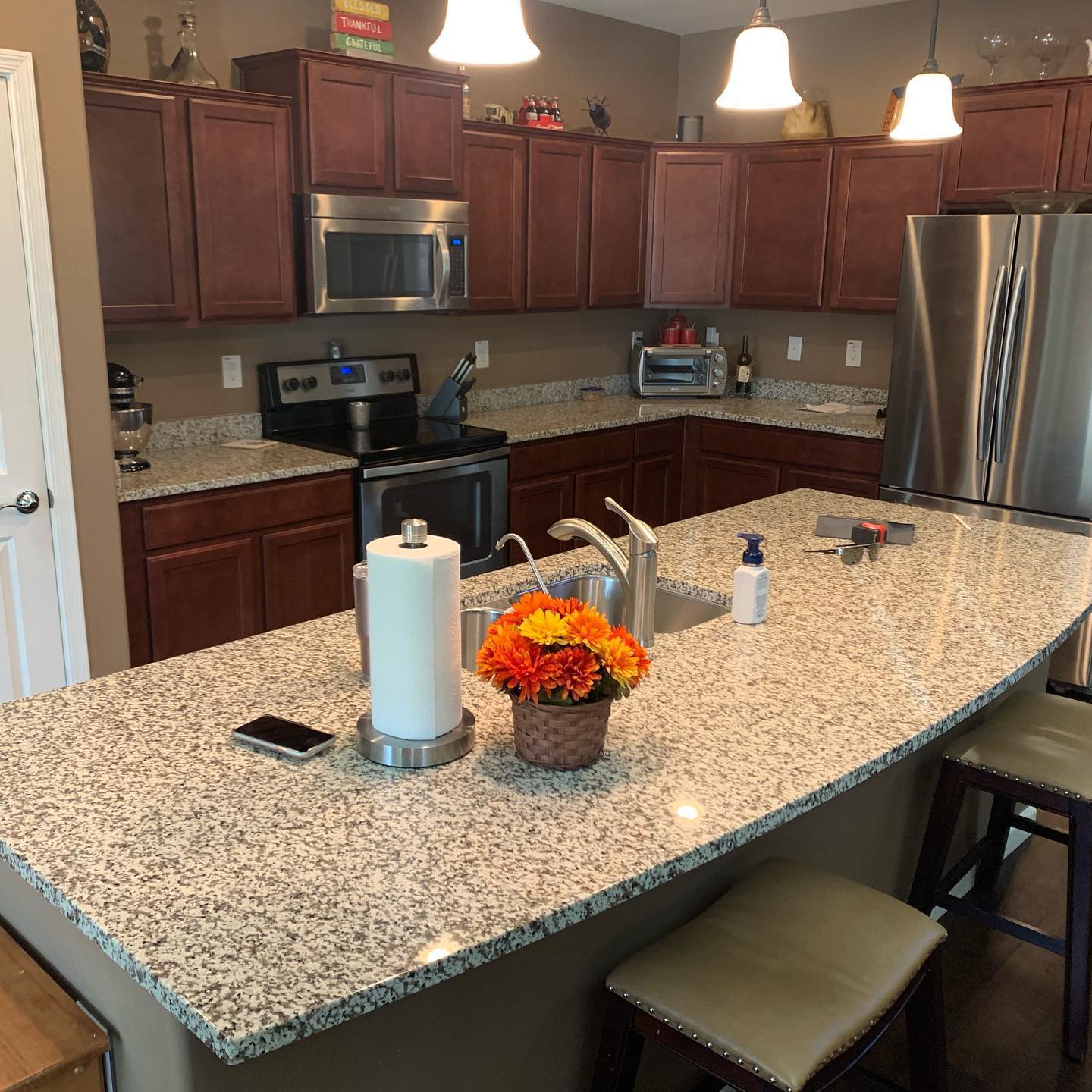
Kitchen remodeling is one of the most exciting home improvement projects a homeowner can undertake. However, it can also feel overwhelming without understanding what to expect during the process. A kitchen remodel typically spans several weeks to several months, depending on the scope of work and various factors that may arise. This comprehensive guide will walk you through each phase of kitchen remodeling, from the initial demolition through the final installation of cabinets, countertops, and appliances.
Planning and Design Phase (Weeks 1-3)
The foundation of any successful kitchen remodel begins with thorough planning and design. During this phase, you will work with designers, contractors, and suppliers to envision your new kitchen space. This is when you decide on layout changes, select materials, choose color schemes, and establish your budget for the kitchen remodeling project.
The planning phase typically takes one to three weeks, though it can extend longer if you are making significant changes to the kitchen layout. You will need to meet with contractors to get estimates, decide whether you want to remove or relocate appliances, and determine if structural changes are necessary. This is also the time to obtain any required permits from your local building department, which can sometimes add another week or two to your timeline depending on how quickly your municipality processes applications.
During this crucial phase, you should finalize all decisions about kitchen remodeling specifics such as cabinet styles, countertop materials, backsplash designs, flooring options, and lighting fixtures. Making these decisions now prevents delays later when work has already begun. Most experienced contractors recommend creating a detailed plan and timeline before breaking ground on your kitchen remodel.
Permitting and Preparation (Weeks 2-4)
Once you have finalized your design plans, the permitting process begins. The timeframe for obtaining permits varies significantly by location, but it generally takes anywhere from one to four weeks. Some municipalities process permits quickly, while others may take longer, especially if your kitchen remodeling project involves structural changes or plumbing and electrical work.
During the preparation phase, you should prepare your home for the coming disruption. This means clearing out your kitchen as much as possible and setting up temporary cooking and dining areas. Consider where you will store cookware, dishes, and pantry items since your kitchen will be essentially unusable for several weeks. Some homeowners choose to use a temporary kitchen setup in another part of the house or eat out more frequently during the remodel.
Your contractor will also use this time to prepare for the demolition phase by setting up work zones, arranging for dumpster rental, and scheduling all necessary inspections. Communication with your contractor during this phase is essential to ensure everyone understands the timeline and what to expect. Most kitchen remodeling projects benefit from clear communication and detailed written agreements about the schedule.
Demolition Phase (Weeks 5-6)
The demolition phase is often the most visually dramatic part of the kitchen remodeling process. During this phase, the old kitchen is systematically dismantled. This includes removing cabinets, countertops, flooring, backsplash, light fixtures, and sometimes existing appliances. If you are removing walls or making significant structural changes, these tasks also happen during demolition.
The demolition phase typically takes one to two weeks, depending on how extensive the changes are and whether any unexpected problems are discovered. Sometimes contractors find issues with the existing structure, such as water damage, outdated wiring, or plumbing problems that were not visible before demolition. These discoveries can add time to your timeline but are important to address before moving forward with kitchen remodeling.
During demolition, your home will be dusty and noisy. Contractors will set up plastic sheeting and dust barriers to contain the mess, but some dust will inevitably spread throughout your house. Your contractor should provide protection for furniture and belongings in adjacent rooms. This is a good time to spend time away from your home if possible, as the noise and disruption can be significant.
Rough-In Work and Structural Changes (Weeks 7-11)
After demolition is complete, the rough-in phase begins. This is when structural changes, plumbing, electrical work, and HVAC modifications occur. If you are relocating a sink, adding new appliances, or changing the kitchen layout, these infrastructure changes happen during the rough-in phase. This phase is critical to the overall kitchen remodeling project and typically takes three to five weeks.
During rough-in work, inspectors from your local building department will visit to verify that all work meets building codes. These inspections ensure that electrical work is safe, plumbing is properly installed, and any structural changes are sound. Failed inspections can delay your timeline, so it is important that your contractor knows local codes and builds in time for potential re-inspections.
Any issues discovered during the rough-in phase, such as discovering that walls need reinforcement or that plumbing lines need to be rerouted, can extend this timeline. However, this phase is when such problems are discovered and resolved before the kitchen remodeling becomes more expensive to fix.
Finishing Work and Installation (Weeks 12-16)
The final phase of kitchen remodeling involves installing all the visible elements that make your kitchen beautiful and functional. This includes installing new cabinetry, countertops, backsplash, flooring, lighting fixtures, and appliances. The finishing phase typically takes four to five weeks, though this varies based on the complexity of your kitchen remodeling design and product availability.
Cabinet installation often takes the longest during this phase, sometimes spanning one to two weeks depending on whether cabinets are pre-made or custom-built. Custom cabinetry orders can add significant time to the overall timeline if they have not been ordered and manufactured during earlier phases. Once cabinets are installed, countertops are cut and installed, followed by backsplash work and flooring installation.
Appliance delivery and installation complete the finishing phase of your kitchen remodeling project. Sometimes appliances have long lead times, so ordering these early in the planning phase is essential to prevent delays. Final touches such as installing light fixtures, hardware, and trim work happen near the end, followed by a final inspection and cleanup.
Post-Installation and Adjustments (Week 17+)
After your kitchen remodeling project is essentially complete, there is typically a punch-list phase where the contractor addresses any final details or touch-ups. This might include adjusting cabinet doors, fixing minor caulking issues, installing hardware that arrived late, or making other small corrections. This phase can take anywhere from a few days to a few weeks depending on how many items need attention.
You should perform a thorough walkthrough with your contractor before final payment to ensure everything meets your expectations and the original agreement. This is when you address any concerns or incomplete work. Most reputable contractors building kitchen remodeling projects will ensure all work is finished to your satisfaction before the project is considered complete.
Conclusion
A typical kitchen remodeling project takes approximately four to five months from initial planning through final installation, though this can vary based on project complexity, permit processing times, and product availability. Understanding these phases helps you prepare mentally and logistically for the disruption ahead. Working with experienced contractors and maintaining clear communication throughout the kitchen remodeling process ensures that your new kitchen becomes a reality on schedule and on budget.
Need Natural Countertops and Flooring Near You?
With over ten years of experience, we take pride in fabricating and installing high quality granite countertops for custom homes, remodels, and commercial spaces, combining competitive pricing with skilled craftsmanship and advanced techniques to bring your vision to life. Whether you are updating a kitchen, enhancing a bathroom, or planning a large scale project, we offer beautiful and durable options in marble, quartz, and granite that add lasting value and style. Our team is committed to delivering results that reflect both precision and care, ensuring every detail meets your expectations. Contact us today to discuss your project and see how we can create the perfect countertop solution for your space.