Quartz vs Granite Countertops: Pros, Cons, and Which One Lasts Longer
When it comes to choosing the right surface for your kitchen or bathroom, the decision between quartz and granite countertops is one of the most important you’ll make. Both materials offer stunning aesthetics and durability, but they have distinct differences that can significantly impact your choice. Whether you’re investing in custom countertops for a new build or renovation, understanding the advantages and disadvantages of each material is crucial to making an informed decision.
Understanding the Composition and Origin
Granite and quartz are fundamentally different materials, despite both being popular choices for custom countertops. Granite is a natural stone that forms over millions of years through volcanic and geological processes. This natural stone is mined from quarries around the world and requires cutting and polishing to create the finished countertop surface you see in homes today. Each slab of granite is completely unique, meaning your countertop will have variations in color, pattern, and veining that cannot be replicated elsewhere.
Quartz, on the other hand, is an engineered stone product. Manufacturers combine natural quartz crystals with resin binders and pigments to create a uniform, consistent material. Approximately 93% of quartz countertops consists of ground quartz stone, while the remaining 7% includes binding resins and additives. This manufacturing process allows companies to control the appearance, color, and pattern of quartz countertops with precision. For those seeking custom countertops with specific design elements or consistent patterns, quartz offers more control over the final appearance.
Durability and Longevity Comparison
When evaluating durability, both granite and quartz countertops are excellent long-term investments that can last for decades with proper care. Granite is an extremely hard natural stone that ranks 7 on the Mohs hardness scale. This natural stone is resistant to scratches, heat, and general wear and tear. Many granite countertops installed decades ago are still performing beautifully in kitchens and bathrooms across the country. The longevity of granite is one of its greatest selling points, as it essentially becomes a permanent fixture in your home.
Quartz countertops are also remarkably durable, with a hardness rating comparable to granite. The engineered nature of quartz actually provides some advantages in terms of consistency and predictability. Since manufacturers control the composition, every quartz countertop offers the same level of durability and performance. Quartz typically lasts 15 to 25 years or longer, depending on usage and care. Unlike granite, quartz does not require sealing, which means less maintenance over time.
The key difference in longevity relates to maintenance requirements. Granite is porous, meaning it can absorb liquids if not properly sealed. A granite countertop should be sealed every 1 to 3 years to maintain protection against stains and bacteria. If you fail to maintain proper sealing, your granite countertop may develop stains or become more susceptible to damage. Quartz, being non-porous, does not require sealing and maintains its protective barrier indefinitely.
Aesthetic Appeal and Design Options
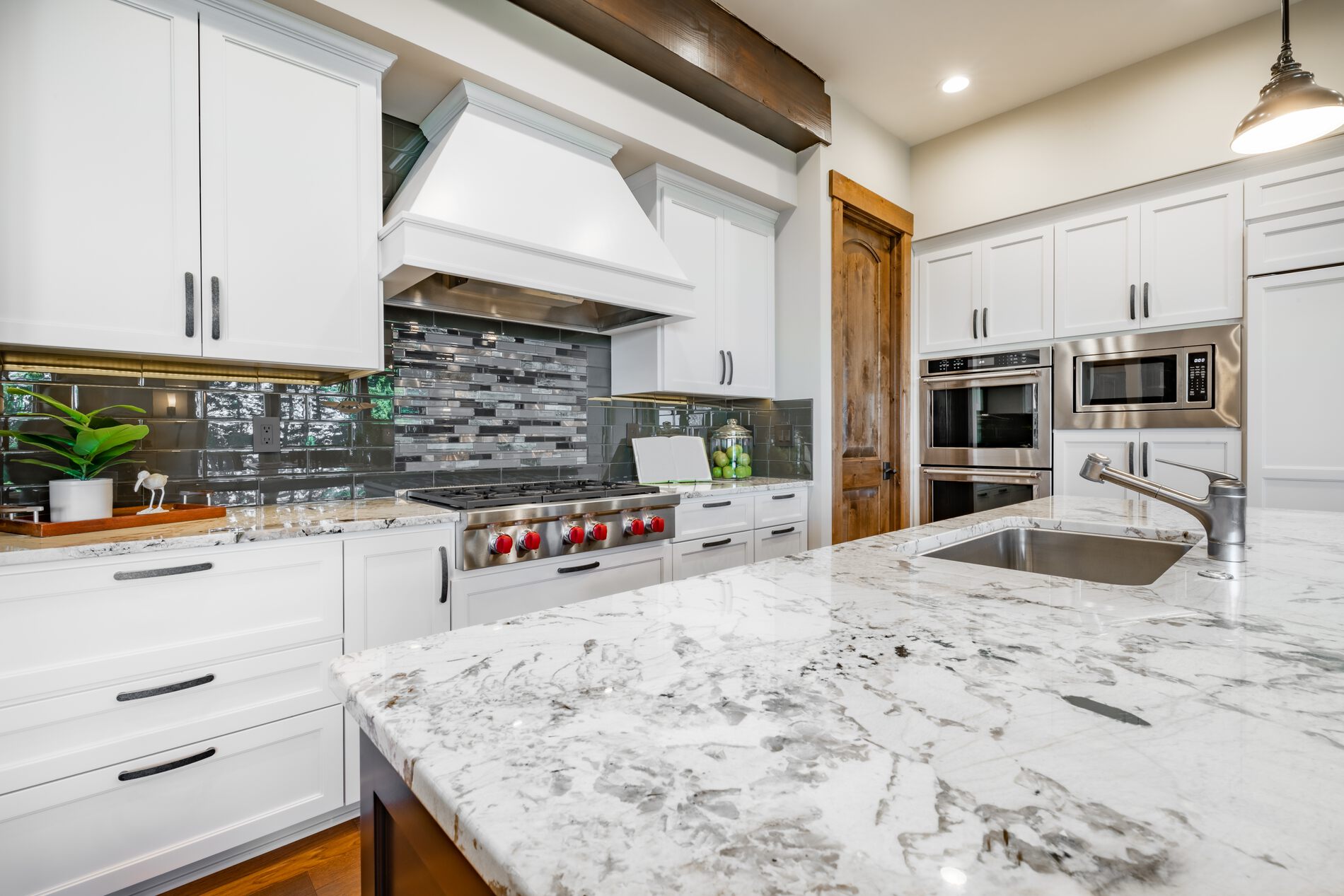
Both granite and quartz offer exceptional beauty, but they provide different aesthetic experiences. Granite’s natural variations create a unique, organic appearance that cannot be perfectly replicated. Each slab has its own character, with natural veining, color variations, and pattern irregularities that add to its charm. If you prefer a truly one-of-a-kind surface, granite custom countertops deliver that authenticity. Common granite colors include blacks, reds, blues, greens, and browns, often with striking contrasting veining.
Quartz countertops offer a more consistent and controlled aesthetic. Manufacturers can create patterns and colors that mimic natural stone or introduce completely modern designs unavailable in nature. You have the option of choosing solid colors, subtle patterns, or bold designs that match your specific interior style. For those designing custom countertops with a particular vision, quartz provides the flexibility to achieve exactly what you’re imagining. Quartz also comes in an extensive range of colors and finishes, from natural stone looks to contemporary designs with metallic or glass flecks.
Cost Considerations and Value
Price is often a determining factor when choosing between these materials. Granite countertops typically cost between $40 and $100 per square foot installed, though premium slabs can exceed this range. Since each piece of granite is unique, rarer colors and special patterns command higher prices. The cost of granite custom countertops depends on the specific slab you select, its availability, and the complexity of your kitchen layout.
Quartz countertops generally cost between $55 and $120 per square foot installed, placing them in a similar price range to granite. However, the final cost often depends on the brand, design complexity, and where you live. Unlike granite, where you’re paying for the specific slab you select, quartz pricing is often more consistent across similar products. You may find that custom countertops made from quartz offer better predictability in budgeting.
In terms of value, both materials offer excellent return on investment. They both significantly increase home value and appeal to potential buyers. Granite has a slight advantage in resale value for some buyers who prefer natural materials, but this varies by market and personal preference.
Maintenance Requirements and Practical Considerations
Daily maintenance differs between these two materials, which impacts the long-term care and cost of ownership. Granite requires more active maintenance. Beyond the periodic sealing mentioned earlier, you should avoid placing hot pans directly on granite, though it is generally heat-resistant. Acidic liquids like lemon juice or vinegar can etch granite surfaces if left sitting, so prompt cleanup is necessary. Granite is also susceptible to chipping along edges and in corners, though this is relatively rare with proper care.
Quartz countertops are significantly lower maintenance. The non-porous surface resists stains, bacteria, and viruses, making them exceptionally hygienic. You don’t need to seal quartz, and daily cleaning requires only a damp cloth and mild soap. Quartz is also resistant to etching and staining from common kitchen substances. However, quartz can be damaged by prolonged exposure to direct sunlight, which may cause some color fading over time. Additionally, while quartz is heat-resistant, you should still avoid placing extremely hot cookware directly on it, as the resin binders can potentially be affected by extreme heat.
Conclusion
Both granite and quartz represent outstanding choices for custom countertops, each with distinct advantages depending on your priorities. Choose granite if you value authentic natural beauty, unique aesthetics, and the permanence of a natural stone investment. Select quartz if you prefer lower maintenance, consistent appearance, superior stain resistance, and predictable performance. Consider your budget, lifestyle, design preferences, and willingness to maintain your countertops when making your final decision. Either way, investing in high-quality custom countertops will enhance your home for years to come.
Need Natural Countertops and Flooring Near You?
With over ten years of experience, we take pride in fabricating and installing high quality granite countertops for custom homes, remodels, and commercial spaces, combining competitive pricing with skilled craftsmanship and advanced techniques to bring your vision to life. Whether you are updating a kitchen, enhancing a bathroom, or planning a large scale project, we offer beautiful and durable options in marble, quartz, and granite that add lasting value and style. Our team is committed to delivering results that reflect both precision and care, ensuring every detail meets your expectations. Contact us today to discuss your project and see how we can create the perfect countertop solution for your space.